Basava Jayanthi Celebrations: A Tribute to the Life and Teachings of Guru Basava
Basava Jayanthi is an annual celebration hosted by Basava Samiti Asia Pacific (BSAPAC) to honour the birth and teachings of Guru Basava (Basavanna, Basaveshwara), the 12th-century philosopher and social reformer who championed equality, inclusivity, and the dignity of labour. This festival marks the birth anniversary of Guru Basava and is an important event for those who follow his progressive teachings. It offers a unique opportunity to reflect on his ideals of non-discrimination, particularly regarding caste and gender, and highlights his contributions to the spiritual reform movement.
The First Basava Jayanthi: A Historical Perspective
The first-ever Basava Jayanthi was celebrated in 1913 at Davanagere, Karnataka. SharaNa Hardekar Manjappa, a staunch follower of Basava philosophy, observed the celebrations of “Rama Navami” by Brahmins in Bombay and felt inspired to create a similar event for Basavanna’s followers. He shared this idea with SharaNa Kanchikere Mahalingappa, N R Karibasava Shastri from Mysore, and R Shantappaji from Harapanahalli, who all enthusiastically supported the idea. The first Basava Jayanthi was thus celebrated on Akshaya Tratiya in 1913 at Davanagere with the blessings of Poojya MrUtyunjaya Swamiji of Virakta Matha, marking the beginning of a historic tradition that continues to this day.
Significance of Basava Jayanthi
Guru Basava’s teachings, encapsulated in his Vachanas, remain timeless as they advocate for a society built on the principles of Kayaka (selfless service) and Dasoha (equal distribution of wealth and resources). His message of social justice, gender equality, and spiritual growth resonates deeply within communities worldwide. The festival is celebrated as a philosophical homage to values that drive modern humanitarian efforts.
Basava Jayanthi: A Celebration of Unity and Spirituality
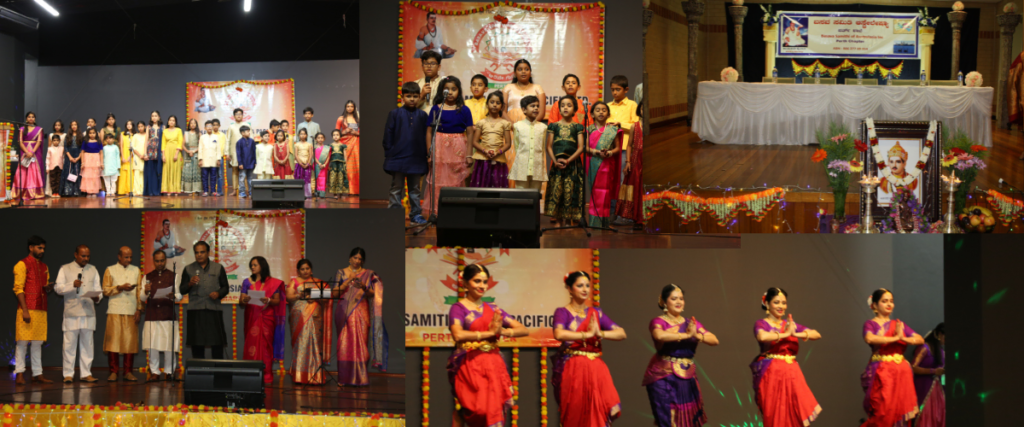
In Australia and New Zealand, Basava Jayanthi celebrations bring together diverse communities to engage in a vibrant mix of cultural programs, spiritual reflections, and community service activities. Organised by BSAPAC, the festivities highlight Guru Basava’s progressive ideals and involve an array of meaningful experiences:
Spiritual and Cultural Gatherings
Vachanas and prayers are recited at temples and community halls, filling the space with a sense of peace and devotion.
Devotional songs, traditional music, and dance performances celebrate the heritage of Guru Basava’s teachings and encourage community participation.
Educational Reflections and Intellectual Engagement
Speeches and seminars highlight Guru Basava’s enduring impact on social justice, spirituality, and equality.
Talks, lectures, and debates featuring esteemed philosophers and thought leaders provide insight into Basava’s teachings.
Awards and Recognition
To honour the dedicated efforts of outstanding individuals, BSAPAC presents awards during the celebrations, acknowledging those who have made significant contributions to the charity’s mission.
Community Service and Charity Work
The celebrations often feature charity work and service projects, reflecting Guru Basava’s message of service to humanity.
Festive Feasts and Decorations: A Sensory Celebration
Traditional Vegetarian Feasts
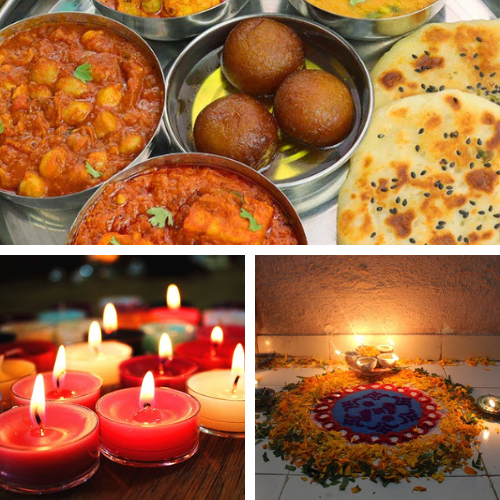
In line with Guru Basava’s principles of non-violence and compassion, vegetarian meals play a central role in the celebration. Traditional dishes such as Puliyogare (tamarind rice), Holige (sweet flatbread), and Payasam (rice pudding) are shared among attendees.
Spiritual and Cultural Decorations
Venues are adorned with floral arrangements and rangoli designs, while banners with Basava’s vachanas inspire participants. Traditional oil lamps symbolise the light of knowledge, justice, and equality.
Traditional Attire for Basava Jayanthi – Men’s Dhoti
Traditional Attire For Basava Jayanthi –
Women’s Ilkal Saree
Women’s Ilkal Saree
Traditional Attire of the 12th Century
During the Basava Jayanthi celebrations, many participants choose to wear traditional attire that reflects the customs of the 12th century, particularly among the descendants of the Kalyana Karnataka region of South India. Men often wear dhoti, angavastram, and kurta, while women typically wear Ilkal sarees, adorned with traditional jewellery. This attire serves as a reminder of the values of humility, service, and inclusivity.
Modern Adaptations:
While the essence of traditional attire remains, many individuals may incorporate contemporary styles or modern fabrics into their outfits, allowing for a blend of heritage and modernity. This adaptation reflects the ongoing relevance of Guru Basava’s teachings in today’s society.
With the inclusion of multi-cultural communities BSAPAC encourages expression of the individual ethnicity or corporate attire during public presentations.
The celebration of Basava Jayanthi thus becomes a vibrant expression of cultural identity, enriched by the traditional attire that pays homage to a pivotal figure in the history of social reform.
Activities and Community Engagement
Basava Jayanthi also provides a platform for cultural events and social service initiatives, ensuring that the day reflects Guru Basava’s teachings.
Cultural Programs in Vachanas
Devotional songs and performances of Vachanas encourage a collective celebration of spirituality.
Charity and Service Initiatives
The day often includes community service projects, aligning with Kayaka and Dasoha, ensuring that the event is a day of giving back to society.
Weather Readiness and Accessibility
Taking into account the unpredictable weather in Australia and New Zealand, both indoor and outdoor arrangements are made to ensure comfort. Venues are wheelchair accessible, ensuring that the celebration is inclusive and welcoming for all.
Join Us in Celebrating Basava Jayanthi!
Basava Jayanthi in Australia is a true celebration of unity, spiritual growth, and community service. Organised by Basava Samiti Asia Pacific, the festival is a vibrant reminder of Guru Basava’s teachings on equality, dignity, and service to humanity. Join us for this enriching experience of spirituality, culture, and community bonding.
For more details about the celebrations, dates, and locations, please visit our website, subscribe to our YouTube channel, and follow us on LinkedIn.